18 hectares of nature, centuries-old trees and history in the heart of Emilia-Romagna
Centuries-old trees arranged with artistic care, picturesque vistas, and a perfect harmony between nature and architecture.
The Romantic Park of Villa Meli Lupi di Soragna Tarasconi is one of the finest examples of a 19th-century landscape garden in Emilia-Romagna.
Covering more than 18 hectares, including 11 hectares of Romantic Park and 7 hectares of floodplain, the estate still preserves the original charm of its 19th-century landscape design, with sweeping lawns, centuries-old trees arranged with artistic care, picturesque vistas, and a perfect harmony between nature and architecture.
The Ginkgo Biloba Group
Historical Notes of Luporum Lineage
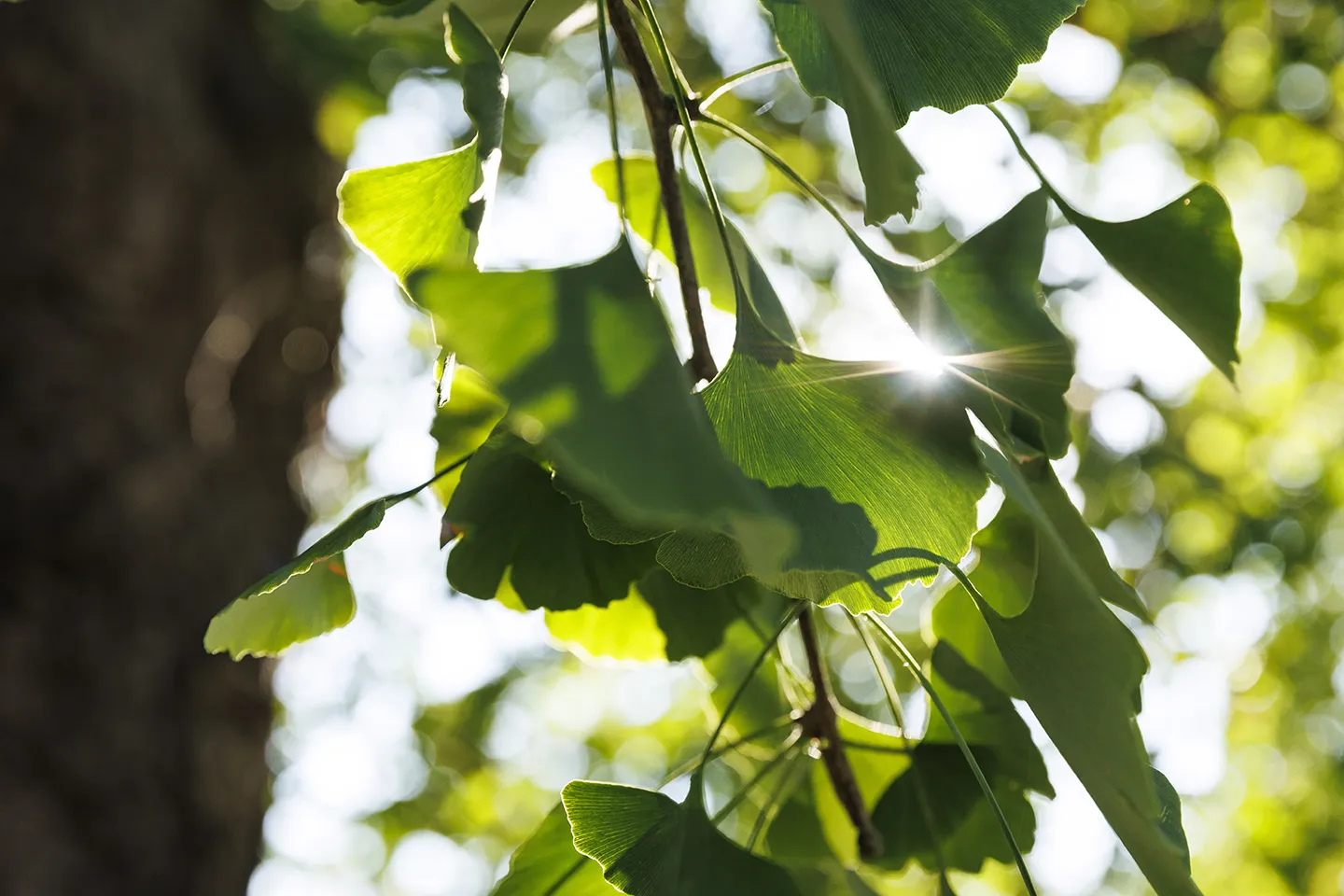
On the Villa’s expansive western lawn, three Ginkgo biloba trees stand like ancient sentinels, dominating the landscape.
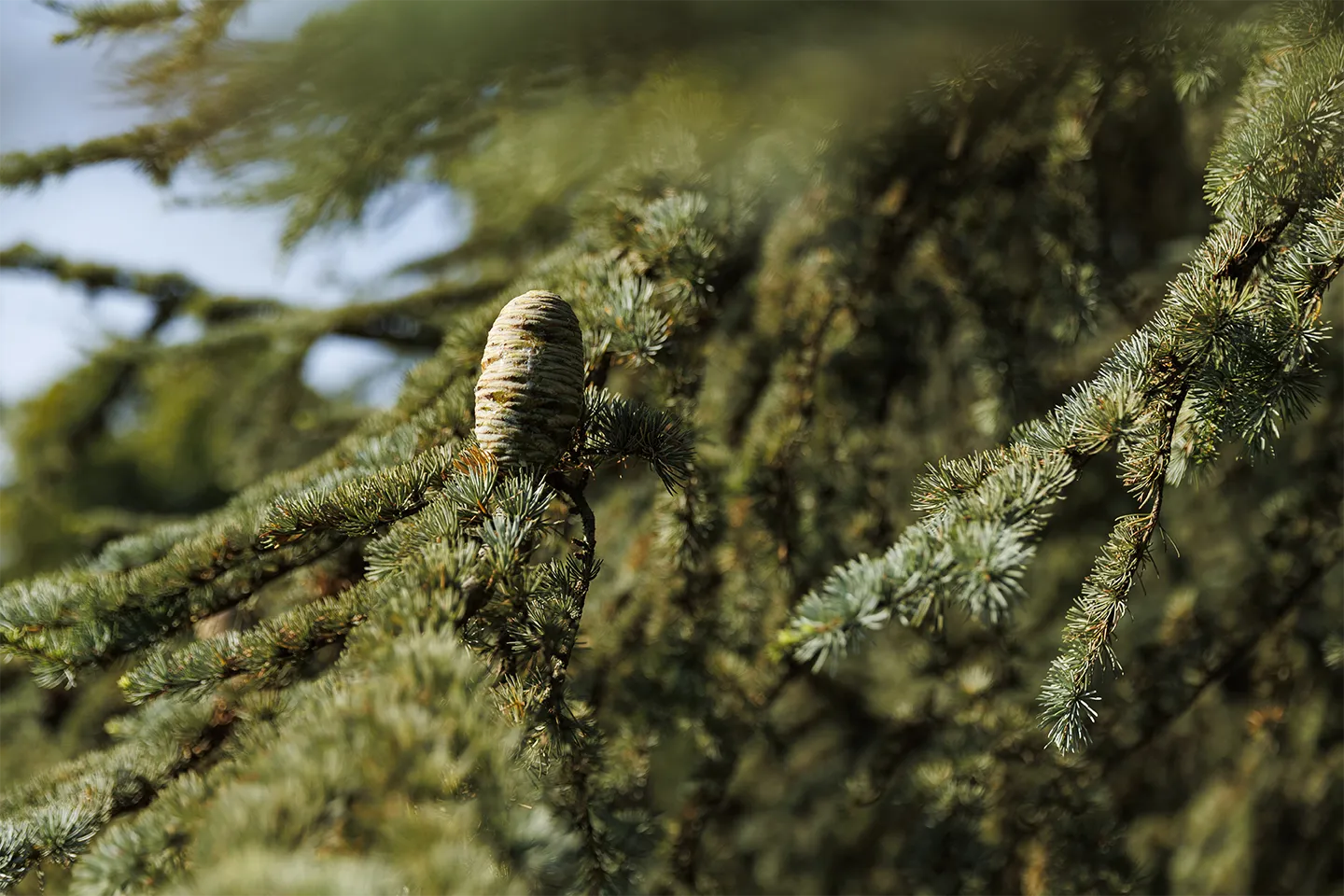
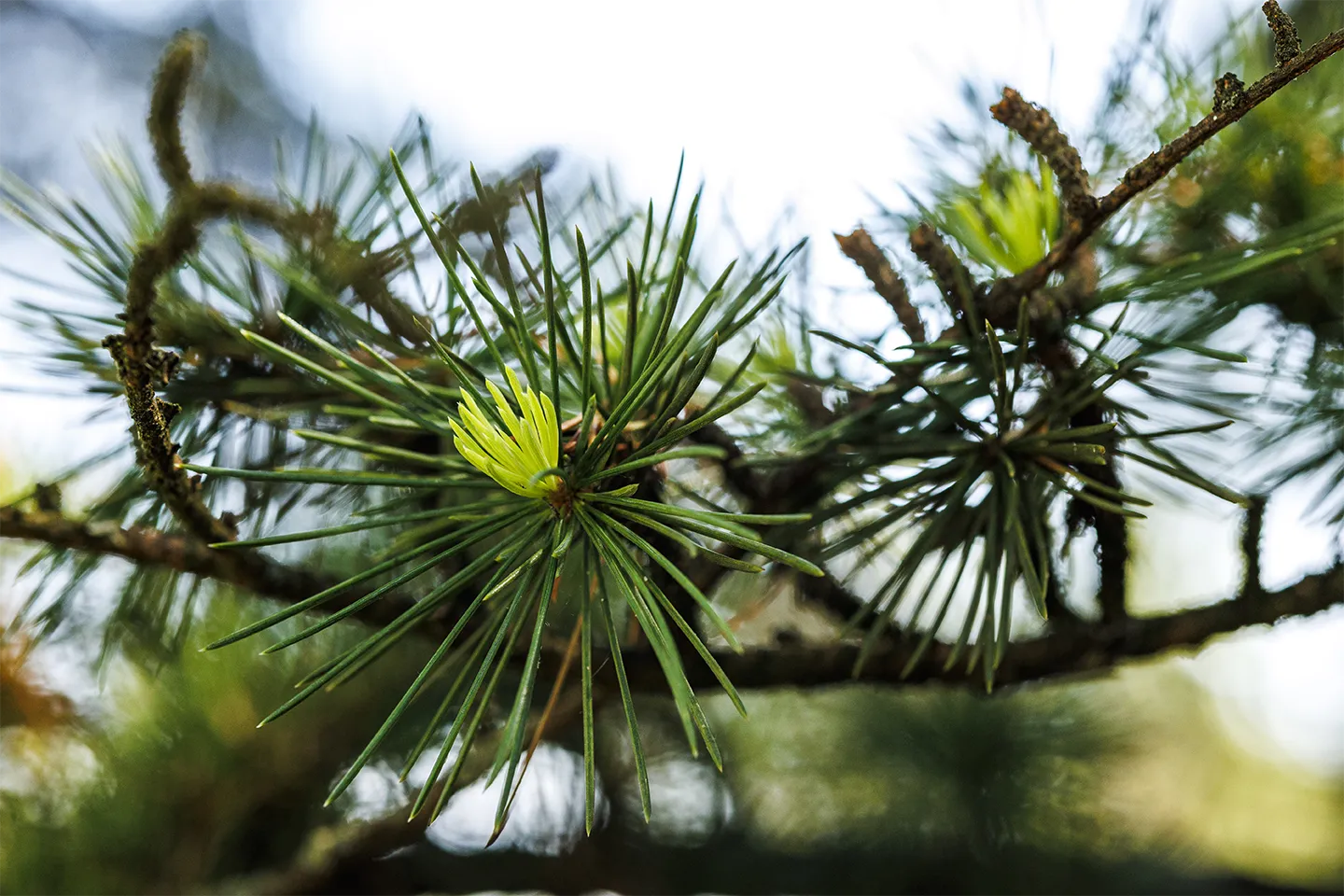
In the heart of the historic park of Villa Meli Lupi di Soragna Tarasconi, at the centre of the expansive lawn south of Villa Toccoli, stands one of the estate’s most iconic trees: the majestic Cedar of Lebanon.
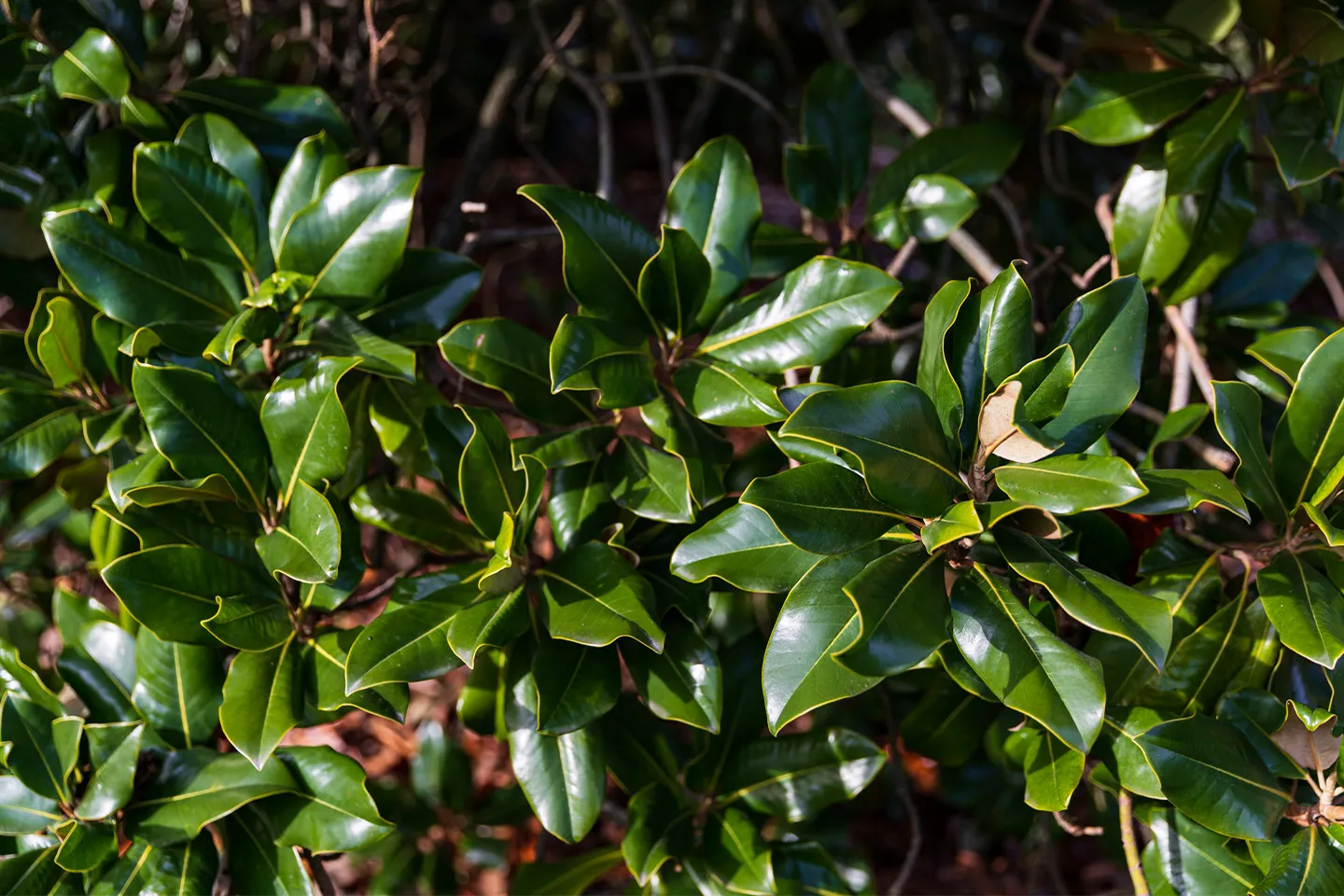
Six majestic specimens, rising more than thirty metres high, dominate the landscape with a solemn, silent presence, like green columns supporting the garden.
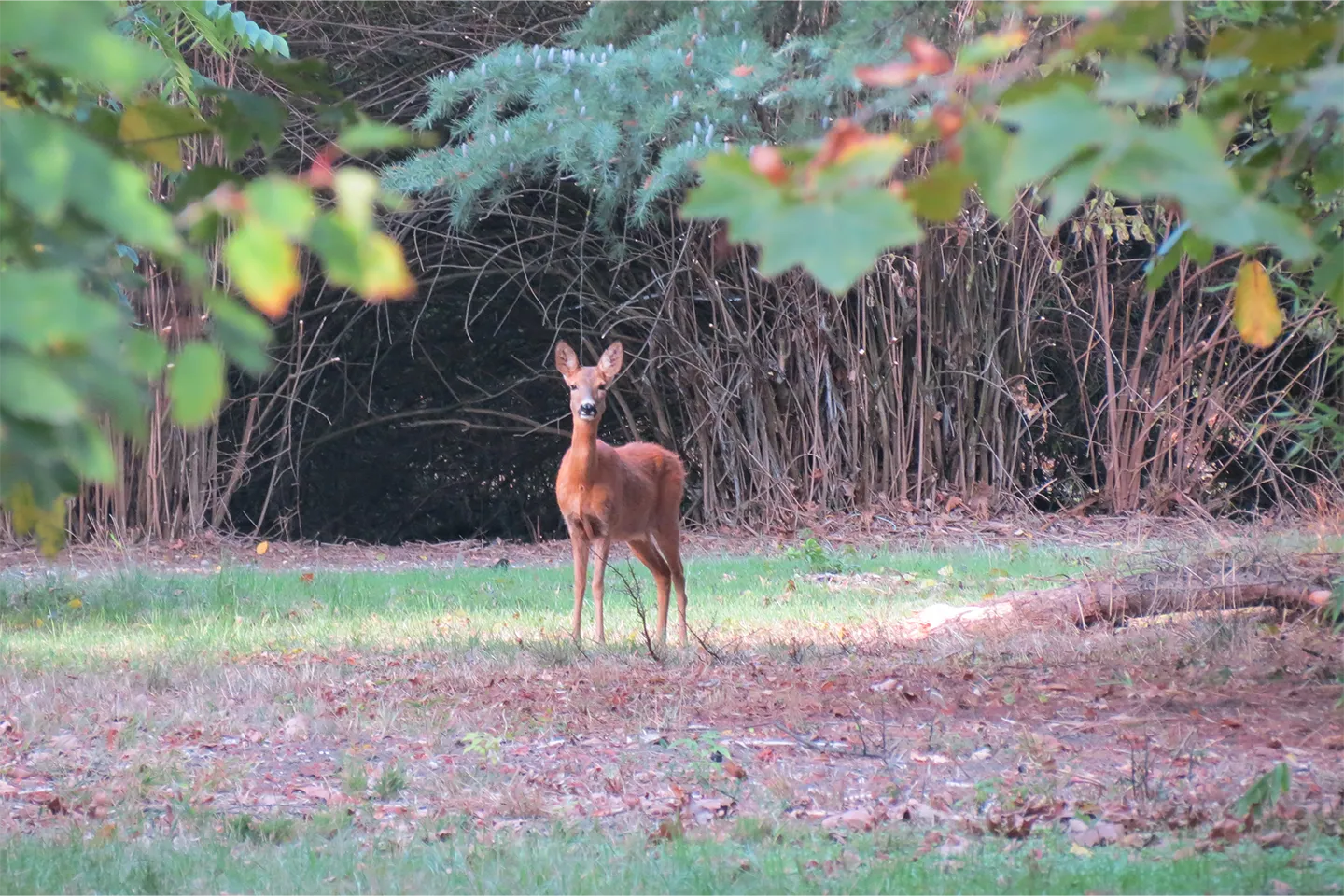
Within the park lies a special place where the Romantic Park gives way to a more natural and untamed landscape: the woodland, which covers almost two-thirds of the entire estate.
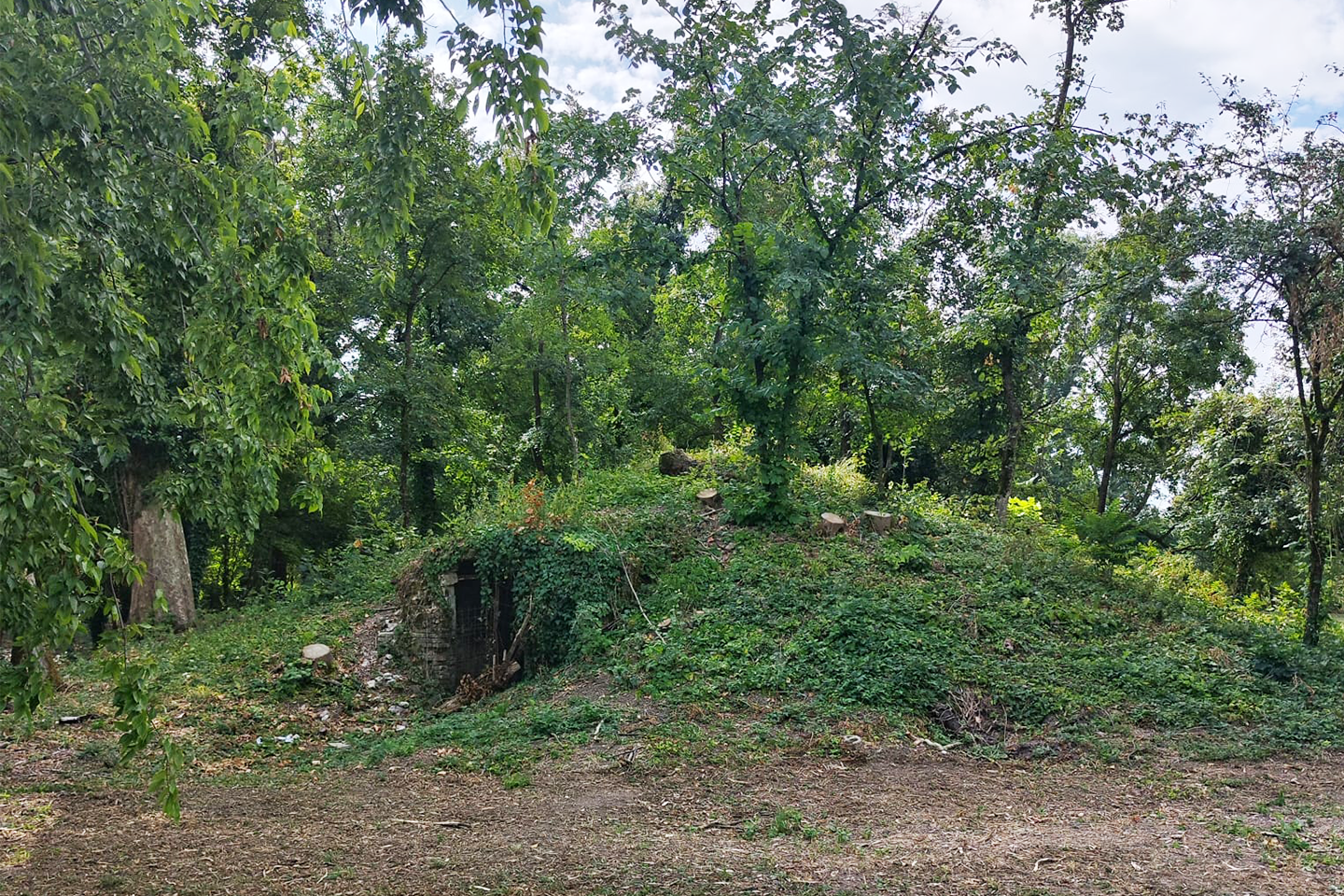
The icehouse is an underground chamber, insulated and lined with brick, with an opening at the top through which snow and blocks of ice collected during the winter were stored.
Enter your personal details and start journey with us.
Gestisci Consenso
Per fornire le migliori esperienze, utilizziamo tecnologie come i cookie per memorizzare e/o accedere alle informazioni del dispositivo. Il consenso a queste tecnologie ci permetterà di elaborare dati come il comportamento di navigazione o ID unici su questo sito. Non acconsentire o ritirare il consenso può influire negativamente su alcune caratteristiche e funzioni.
Funzionale
Always active
L'archiviazione tecnica o l'accesso sono strettamente necessari al fine legittimo di consentire l'uso di un servizio specifico esplicitamente richiesto dall'abbonato o dall'utente, o al solo scopo di effettuare la trasmissione di una comunicazione su una rete di comunicazione elettronica.
Preferenze
L'archiviazione tecnica o l'accesso sono necessari per lo scopo legittimo di memorizzare le preferenze che non sono richieste dall'abbonato o dall'utente.
Statistiche
L'archiviazione tecnica o l'accesso che viene utilizzato esclusivamente per scopi statistici.L'archiviazione tecnica o l'accesso che viene utilizzato esclusivamente per scopi statistici anonimi. Senza un mandato di comparizione, una conformità volontaria da parte del vostro Fornitore di Servizi Internet, o ulteriori registrazioni da parte di terzi, le informazioni memorizzate o recuperate per questo scopo da sole non possono di solito essere utilizzate per l'identificazione.
Marketing
L'archiviazione tecnica o l'accesso sono necessari per creare profili di utenti per inviare pubblicità, o per tracciare l'utente su un sito web o su diversi siti web per scopi di marketing simili.
Villa Meli Lupi offre visite guidate alla Casa Museo dedicata all’Ambasciatore Antonio Meli Lupi di Soragna e al Parco Romantico. Il complesso storico è visitabile solo su prenotazione.
Villa Meli Lupi offers guided tours of the House Museum dedicated to Ambassador Antonio Meli Lupi of Soragna and the Romantic Park. The historic complex can be visited by reservation only.